言語を選択

English

French

Deutsch

Indonesian

日本語

Korean

แบบไทย

Vietnamese

Rotary Valves and Isolation Devices: The Unsung Heroes of Explosion Protection

Rotary valves and isolation devices exist to do one job: stop a fireball or pressure wave in one vessel from racing down the ductwork and igniting everything connected to it. A rotary valve does this by feeding material through a continuously rotating rotor that acts as a mechanical seal, physically blocking flame from passing between a filter, cyclone, or silo and the rest of the system. Without that seal — or an equivalent isolation device — a single ignition event in one piece of equipment can become a plant-wide incident in under half a second.

Why Isolation Matters More Than the Explosion Itself

Here's the uncomfortable truth: most dust explosion injuries don't come from the initial ignition. They come from secondary explosions triggered when flame or pressure travels through connected ductwork and finds a second, third, or fourth fuel source waiting in another vessel. A flame front can move through ducting at speeds exceeding 20 m/s, reaching a downstream vessel in well under a second.

That's why NFPA 69 and equivalent European standards treat isolation as a mandatory companion to venting or suppression, not an optional add-on. If you're weighing venting against isolation for your own facility, our earlier piece on explosion isolation vs. explosion venting walks through when each strategy applies. Rotary valves and isolation devices are the ones actually closing the door on the fire before it spreads — venting deals with pressure, isolation deals with propagation.

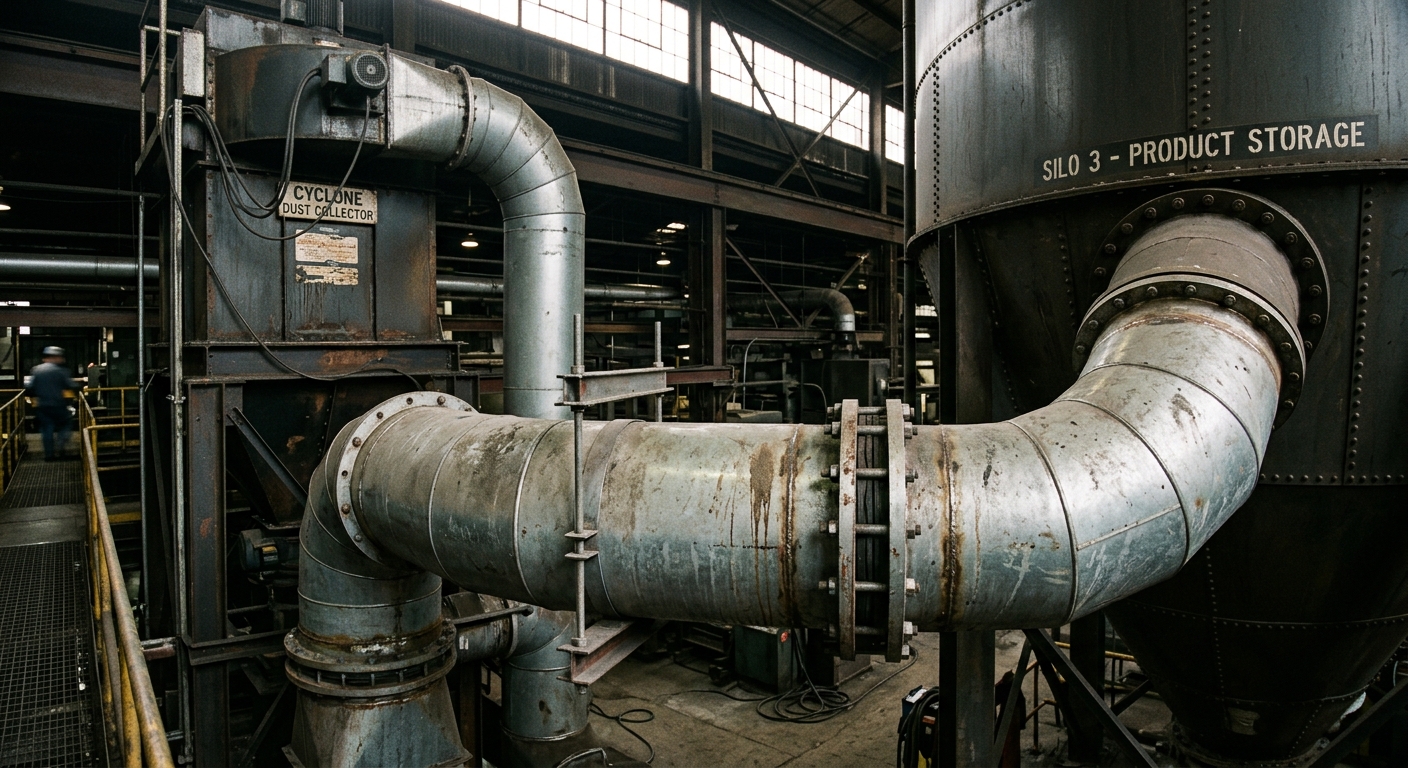
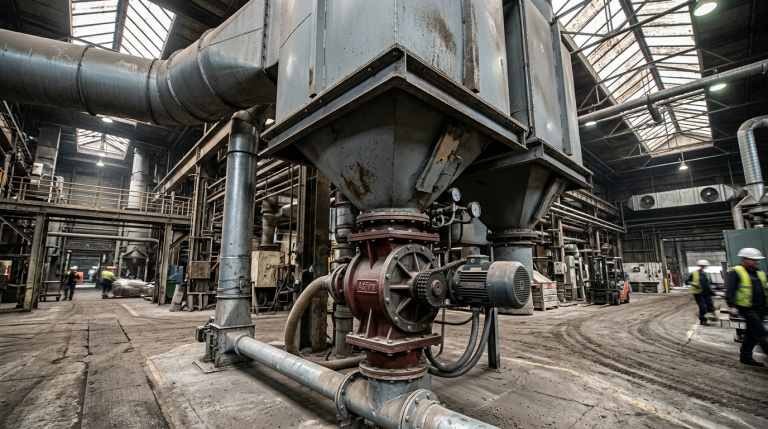
Ductwork connecting industrial dust collection vessels where flame isolation is required

How a Rotary Valve Actually Blocks a Flame Front

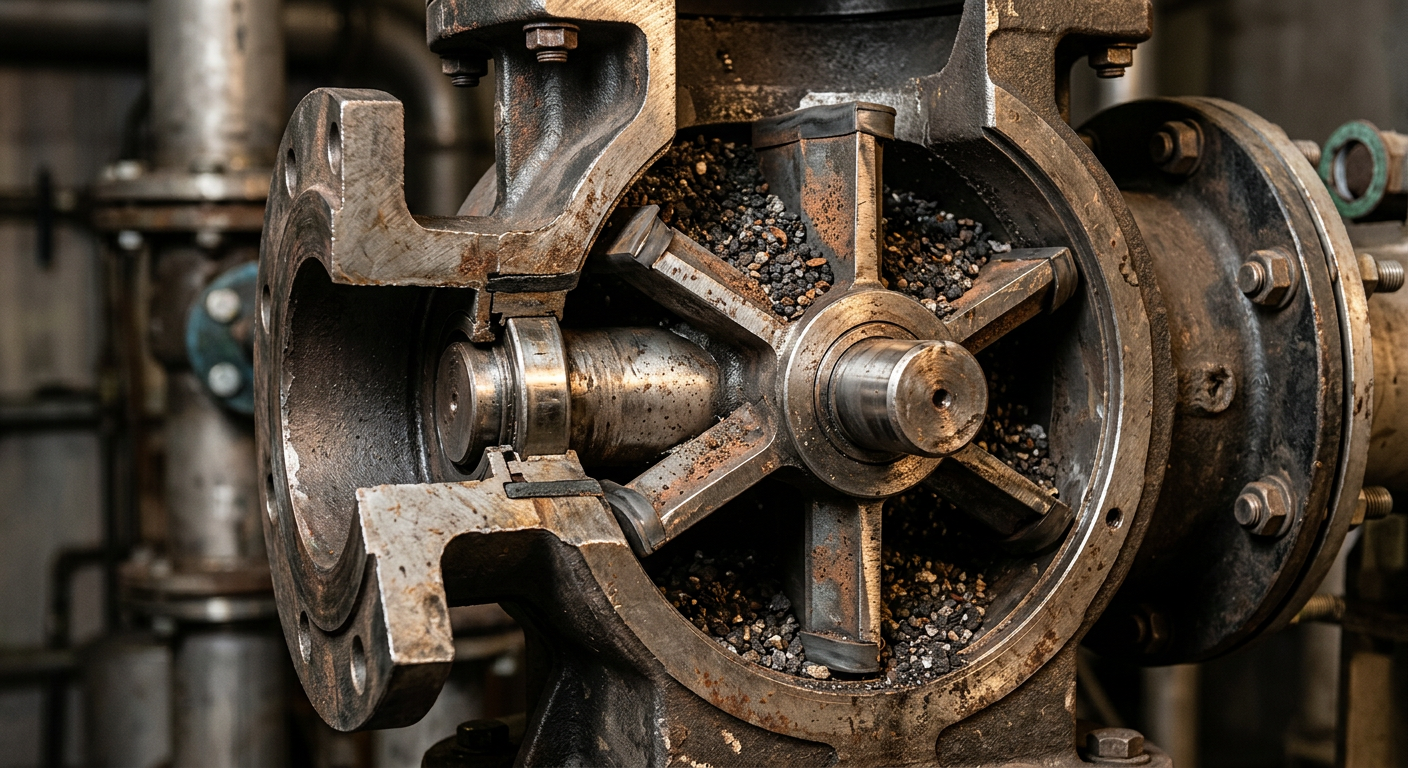
A rotary valve isn't designed as a safety device first — it's a metering device that happens to double as an explosion barrier. The rotor spins continuously, and its close-tolerance vanes (typically 0.1-0.3 mm clearance to the housing) mean there's never an open path straight through the valve. Material drops into a pocket on one side, the rotor turns, and it discharges on the other — flame simply can't get a clean line of sight through.

Certification Isn't Optional

Not every rotary valve qualifies as an isolation device. To be rated as a flame barrier, a valve needs to be tested and certified against a specific KSt/Pmax combination — the explosion violence values for your specific dust. A valve certified for KSt 200 bar·m/s won't necessarily hold against a KSt 300 aluminum dust explosion. Always match the valve's certificate to your dust hazard analysis, not just its physical size.

Close-up of rotary valve rotor vanes used as an explosion flame barrier

Chemical Isolation Barriers: Faster, But More Complex

When a rotary valve isn't practical — long duct runs, high-velocity pneumatic conveying lines, or ducts too large for a mechanical seal — chemical isolation barriers take over. These systems use pressure or optical sensors to detect the earliest signs of an explosion, then fire a burst of suppressant powder across the duct in milliseconds, creating a wall that starves the flame of oxygen before it can pass.

The trade-off is complexity. You're now managing detection sensors, control panels, suppressant canisters, and annual functional testing — versus a rotary valve that's mechanically always-on. For facilities running lithium battery manufacturing processes with fast-burning metal dusts, that extra speed and complexity is often worth it because KSt values are simply too high for passive devices to keep up.

Float and Flap Valves: The Overlooked Passive Option

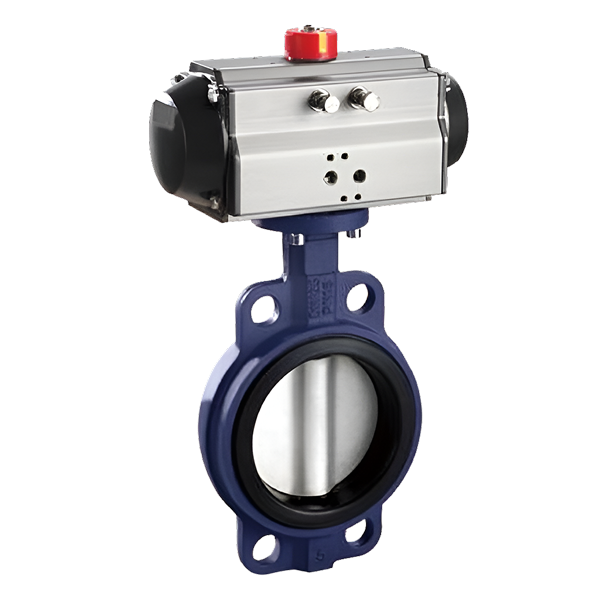
Not every isolation point needs sensors and control panels. Float valves and flap valves rely purely on physics — the pressure wave of an explosion itself slams the valve shut before flame can follow. A pendulum flap swings closed under the pressure differential; a float valve gets pushed into its seat by the same force.

They're cheap, they need no power, and they respond in as little as 10 milliseconds. The catch: they only work reliably in specific orientations and duct geometries, and they can't be retrofitted onto every layout. For a straightforward horizontal duct feeding a single baghouse, a flap valve is often the most cost-effective isolation choice on the table — no reason to over-engineer it.

A Real-World Scenario: Grain Handling Facility

Picture a grain elevator with a bucket elevator feeding a bin, connected by enclosed ductwork to a bin vent filter. A spark from a foreign object ignites dust inside the bin vent filter housing. Without isolation, that flame front travels back through the duct into the bucket elevator boot — a space packed with more airborne dust — and you get a secondary explosion that's often more destructive than the first.

Install a certified rotary valve at the filter's discharge and a flap valve on the inlet duct, and that same ignition event stays contained to the filter housing. The vent panel does its job releasing pressure outward, and the rest of the facility keeps running. This is the exact layered approach covered in our piece on dust explosion prevention best practices — isolation, venting, and suppression working as a system, not standalone fixes.

Grain handling facility with ductwork requiring explosion isolation devices

Sizing Mistakes That Undermine Even a Good Valve

A correctly certified rotary valve installed with the wrong throughput rating is functionally useless as an isolation device — it'll either bottleneck your process or, worse, get modified in the field to move more material, opening clearances that were never meant to be touched. This is one of the most common field failures: maintenance teams widen rotor clearances to fix a jam, not realizing they've just voided the explosion rating.

Always size the valve to your actual CFM and material bulk density first, using the same rigor you'd apply when sizing a dust collector's airflow and ductwork. An undersized valve under pressure to keep up with throughput is the single most common reason isolation devices get tampered with in the field.

Maintenance: The Part Everyone Skips

Rotary valve seals wear. Rotor clearances open up over months of abrasive material passing through. A valve that held a KSt 250 rating on installation day can silently drift out of certification within a year if nobody's checking clearances on schedule — and there's no alarm that goes off when that happens. It just fails quietly, and you find out during an incident, not before one.

  • Check rotor-to-housing clearance quarterly on abrasive dust applications
  • Inspect flap valve hinges and seats for corrosion or dust buildup annually
  • Test chemical barrier detection sensors and verify canister pressure per manufacturer schedule — usually annually
  • Log every inspection against the original explosion test certificate, not just a generic maintenance checklist

If your team is already tracking cartridge dust collector maintenance schedules, fold isolation device checks into that same cadence — it's far easier to keep up with when it's not a separate program nobody remembers.

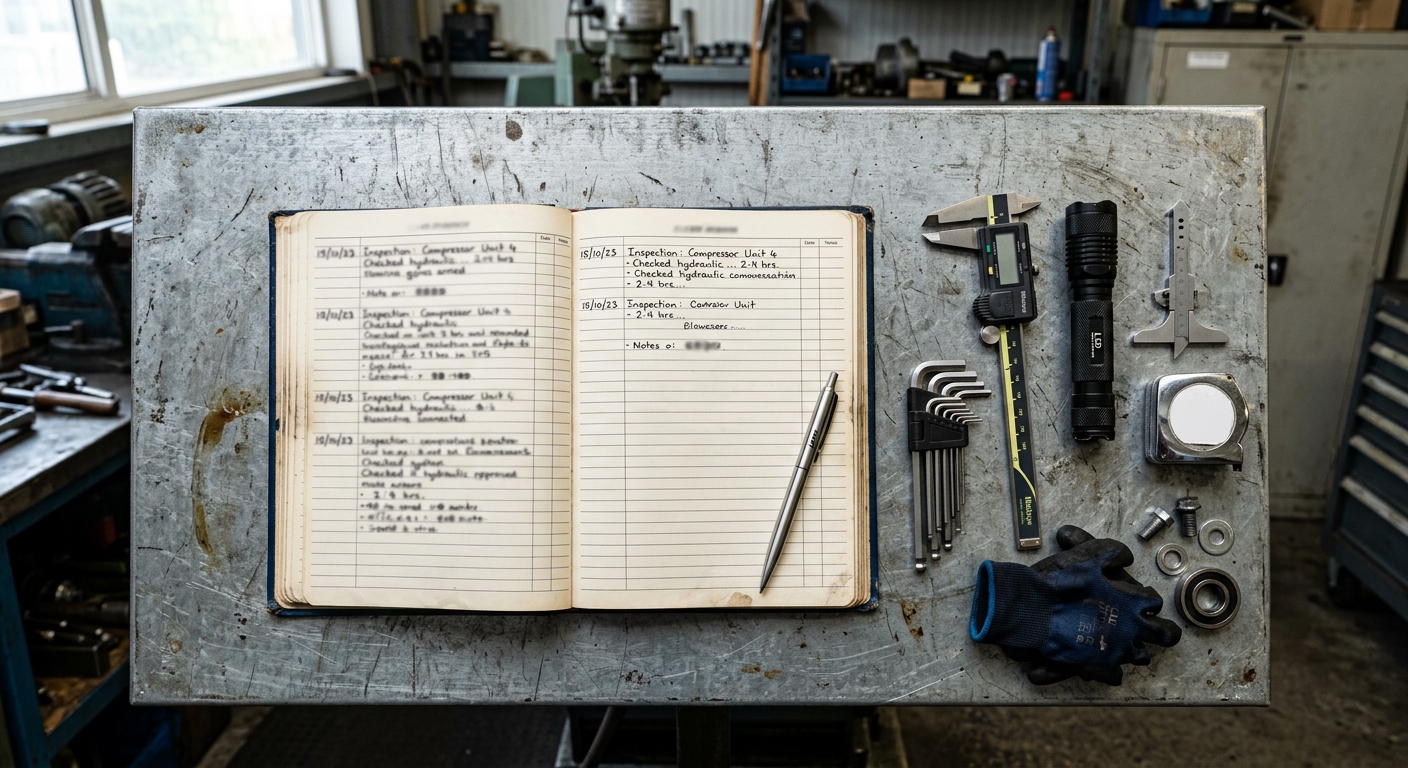
Maintenance inspection log for industrial explosion isolation valve certification

Choosing the Right Isolation Device for Your System

There's no universal best choice here — it genuinely depends on duct geometry, dust KSt value, and how much complexity your maintenance team can realistically handle. That said, a few rules of thumb hold up across most facilities:

Quick Decision Guide

  • High-KSt metal dust, large ducts: chemical isolation barrier — nothing mechanical reacts fast enough
  • Standard filter/cyclone discharge: certified rotary valve — already doing double duty as your metering device
  • Simple horizontal duct runs, budget-conscious retrofit: flap or float valve
  • Long pneumatic conveying lines: fast-acting gate valve paired with early detection

Whatever you land on, the device must carry a test certificate matching your specific dust's explosion characteristics — not a generic ATEX badge. For background on how those certification frameworks work, see our breakdown of ATEX vs IECEx standards.

関連資料
言語を選択してください