洗浄、乾燥、搬送、保管などの種子の取り扱いでは、必然的に粉塵が発生します。この粉塵を制御せずに放置すると、火災、爆発、労働者の健康問題、規制上の罰則、環境への被害を引き起こす災害につながる可能性があります。
このガイドでは、リスクを理解し、規制に準拠し、技術的管理を適用し、日常の安全慣行を採用することにより、種子の取り扱いにおける粉塵災害を管理する方法を探ります。
種子の粉塵が重大な危険である理由
- 意味: Dust disasters occur when seed or grain dust accumulates or becomes airborne at explosive concentrations, igniting and causing fires, secondary explosions, or health and environmental issues.
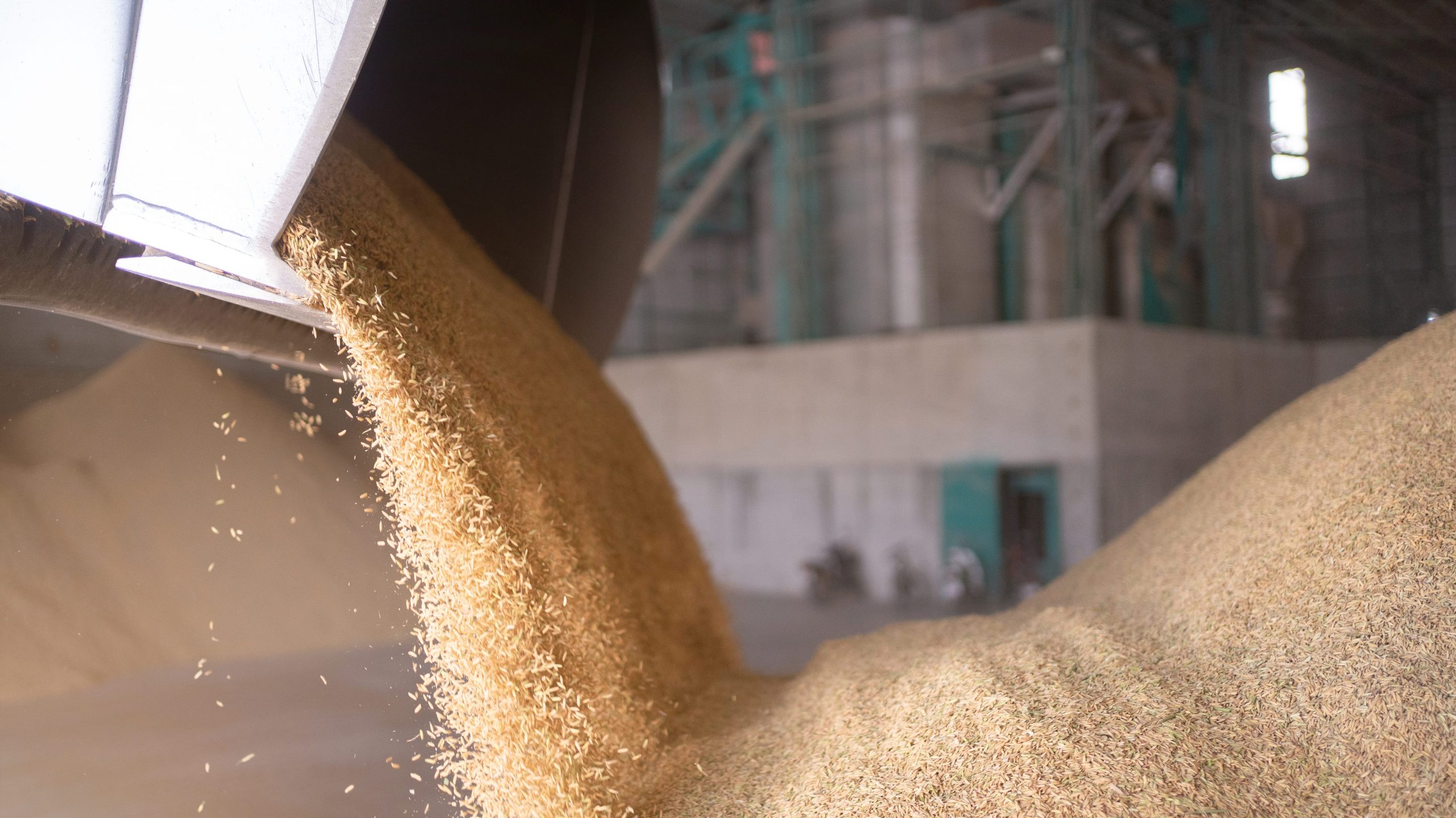
- 種子の取り扱いがハイリスクである理由: Seeds produce fine, carbon-rich, combustible particles during processing. Handling equipment generates friction and breakage, while seed coatings often contain chemicals that add toxicity risks.
種子の取り扱いにおける粉塵の主なリスク
| 危険の種類 | 説明 |
|---|---|
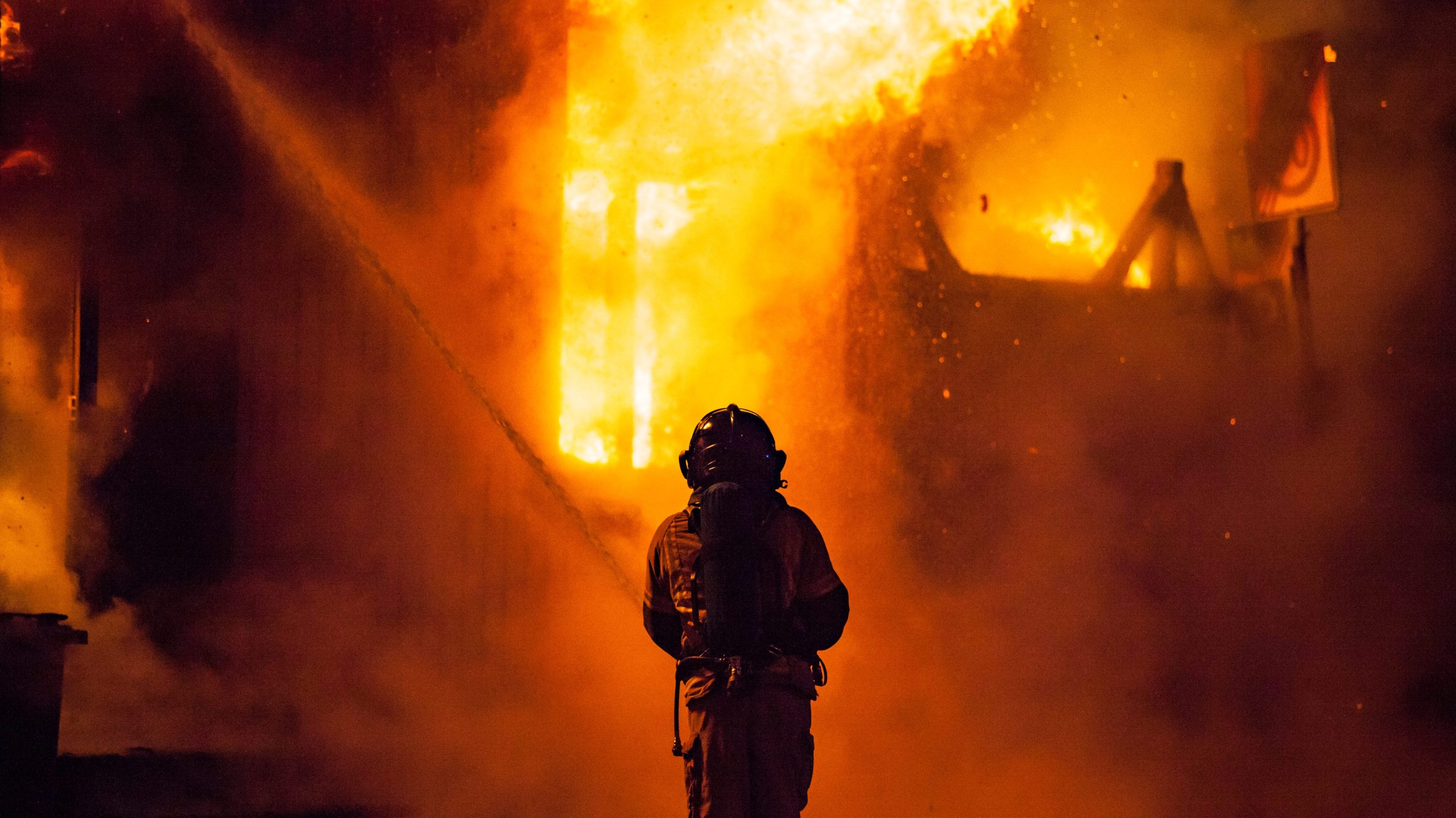
| 爆発と火災 | 狭い空間内の粉塵雲は、火花、ベアリングの過熱、または静電気放電によって発火する可能性があります。巻き上げられた粉塵雲による二次爆発により、施設が破壊される可能性があります。 |
| 健康リスク | 微粒子を吸入すると、喘息、肺の炎症、または慢性呼吸器疾患を引き起こします。処理された種子から出る粉塵にも、農薬や化学残留物が含まれる可能性があります。 |
| 環境への影響 | 飛散する粉塵は大気の質を低下させ、土壌や水を汚染し、種子処理粉塵はミツバチなどの花粉媒介者に害を及ぼす可能性があります。 |
| 法的リスクと風評リスク | OSHA または NFPA 基準に準拠しない場合は、罰金や訴訟が発生します。事故は評判を傷つけ、高額なリコールを引き起こす可能性があります。 |
規制と基準
- NFPA規格:
NFPA 652 sets general combustible dust management rules, while NFPA 61 targets agricultural and grain facilities. - OSHA ガイドライン:
OSHA regulates grain handling, workplace dust exposure, ventilation, housekeeping, and ignition control. - 環境基準:
Some regions enforce “dust-off” limits for treated seeds, measuring how much dust coating escapes during handling.
罰金を回避し、長期的な安全を確保するには、これらの枠組みに従うことが不可欠です。
エンジニアリングと技術制御
粉塵の危険を軽減するための実際的な解決策には次のようなものがあります。
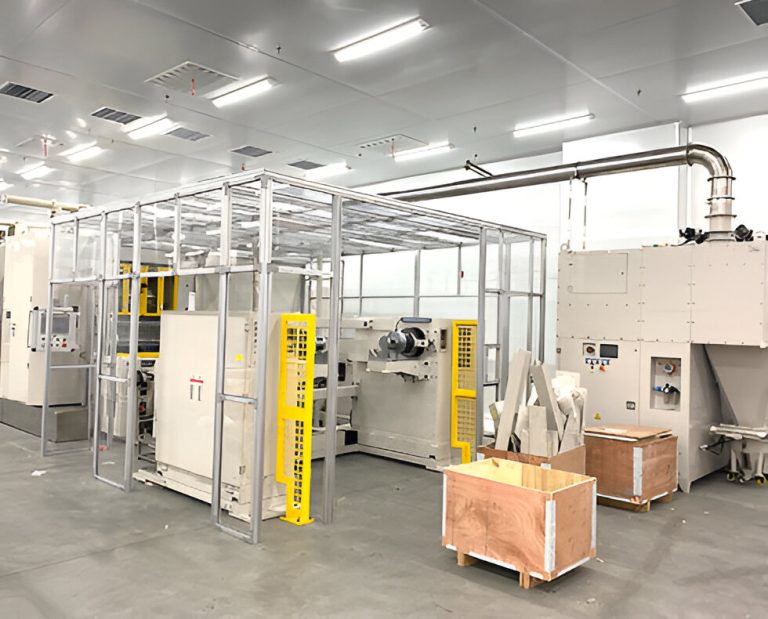
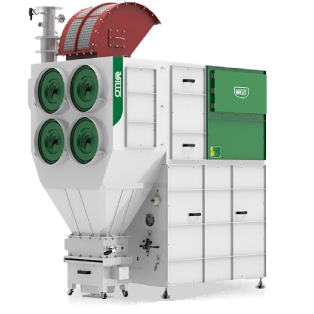
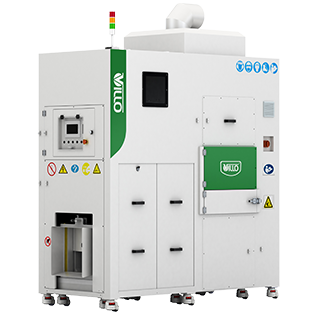
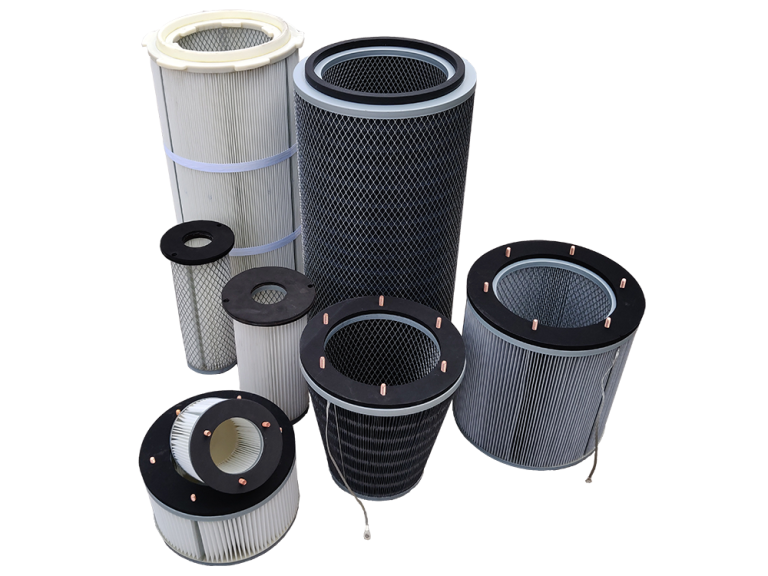
- 集塵システム: Install source-capture systems with baghouse or cartridge filters; regularly inspect and replace filters.
- 換気と囲い: Use sealed conveyors, enclosed transfer points, and well-designed ventilation to reduce airborne particles.
- 静電気と熱の制御: Ground equipment, lubricate bearings, and use explosion-proof electrical systems to prevent sparks.
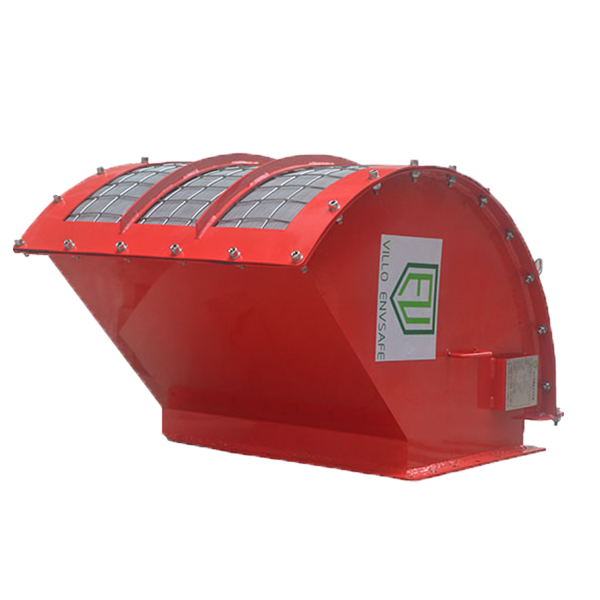
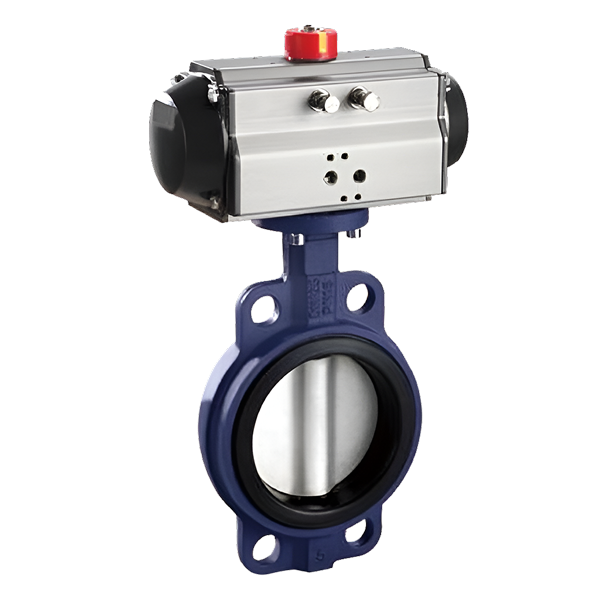
- 防爆装置: Apply explosion vent panels, suppression systems, and isolation valves to stop deflagration from spreading throughout the facility.
運用慣行
機器以外にも、日々の実践が重要です。
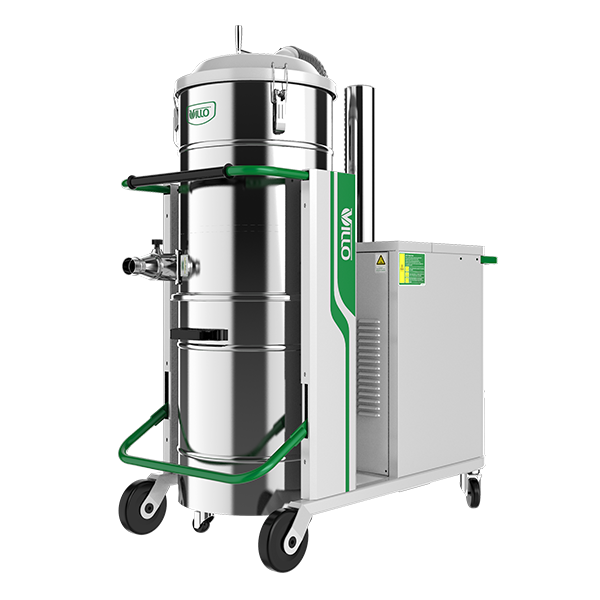
- ハウスキーピング: Regularly vacuum dust, especially on beams and hidden surfaces. Avoid compressed air that stirs up secondary dust.
- トレーニング:Teach workers about dust risks, safe machine use, and emergency procedures.
- 監視とメンテナンス: Measure dust concentrations, log maintenance, and schedule preventive inspections.
- 緊急時計画: Establish fire detection, explosion alarms, evacuation routes, and practice drills regularly.
実際の例
- 施設のアップグレード: A seed conveying plant reduced airborne dust dramatically after upgrading its outdated collector with a compliant, high-efficiency filtration system.
- 防爆の実践: Another facility installed isolation valves and suppression systems, which successfully prevented a secondary explosion, minimizing downtime and repair costs.
これらの事例は、粉塵対策への投資が安全性とコンプライアンスに目に見える利益をもたらすことを示しています。
コストと利益
高効率のコレクター、メンテナンス、トレーニングには初期費用がかかりますが、その見返りは明らかです。施設では、事故が減り、保険料が減り、コンプライアンス罰則が減り、従業員の健康状態が改善されるため、粉塵管理は安全上の必要性と経済的利点の両方をもたらします。
結論
種子の取り扱いにおける粉塵災害の管理は、エンジニアリング制御と規律ある運用を組み合わせることによって決まります。粉塵の発生源を特定し、発火リスクに対処し、NFPA および OSHA 基準への準拠を確保することが、効果的なリスク管理の基礎となります。
スタッフのトレーニング、ハウスキーピング、継続的なシステム監視などの日常業務も同様に重要です。これらの対策を統合することで、オペレーターは危険を最小限に抑え、従業員を保護し、安全で信頼性が高く、準拠した種子取り扱い作業を維持できます。